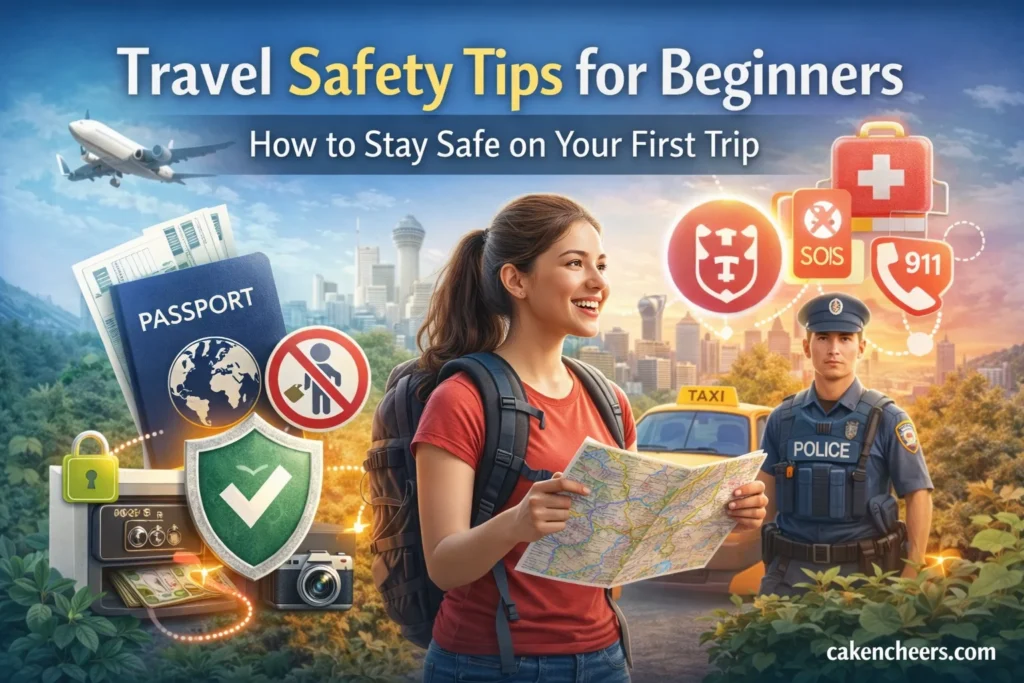
Traveling for the first time is exciting, but it can also feel overwhelming. New destinations, unfamiliar cultures, and unexpected situations can turn a dream trip into a stressful experience if you are not prepared. That’s why understanding travel safety tips for beginners is essential before packing your bags.
Safety does not mean fear—it means awareness, preparation, and smart decision-making. With the right knowledge, beginners can explore the world confidently while minimizing risks. This guide will walk you through practical, easy-to-follow travel safety tips to help you stay secure, relaxed, and prepared throughout your journey.
Why Travel Safety Is Important for Beginners
Beginners are more vulnerable to common travel issues such as scams, lost documents, health problems, and cultural misunderstandings. A lack of experience can make it harder to recognize risky situations.
By learning basic safety practices early, first-time travelers can:
- Avoid common travel mistakes
- Protect personal belongings
- Stay healthy during trips
- Respond calmly in emergencies
- Enjoy travel with peace of mind
Travel safety is not about restricting your adventure—it’s about making your journey smoother and worry-free.
Research Your Destination Before Traveling
One of the most important travel safety tips for beginners is researching the destination in advance. Understanding local conditions helps you avoid unnecessary risks.
Learn about:
- Local laws and customs
- Weather conditions
- Common scams
- Safe and unsafe areas
- Transportation systems
Knowing what to expect reduces surprises and allows you to plan your activities safely.
Keep Important Documents Secure
Your travel documents are your lifeline. Losing them can cause serious stress, especially for beginners.
Important documents to protect include:
- Passport
- Visa
- Travel insurance
- Identification cards
- Flight and hotel details
Always keep physical copies and digital backups stored securely. Never hand over original documents unless legally required.
Stay Aware of Your Surroundings
Situational awareness is one of the most effective travel safety habits. Beginners should avoid distractions and remain alert, especially in crowded or unfamiliar areas.
Helpful awareness tips:
- Avoid using your phone excessively in public
- Keep bags zipped and close to your body
- Be cautious in crowded places
- Trust your instincts if something feels wrong
Awareness alone can prevent many travel-related problems.
Avoid Sharing Too Much Information Publicly
Many beginners make the mistake of sharing too many details about their travel plans. This can make you a target for scams or theft.
For better safety:
- Avoid announcing your location loudly
- Be careful with social media check-ins
- Do not share accommodation details with strangers
Protecting your personal information helps ensure a safer travel experience.
Use Reliable Transportation Options
Transportation safety is often overlooked by beginners. Using unverified or illegal transport services can be risky.
Safer transportation practices include:
- Using licensed taxis or ride-sharing apps
- Avoiding unknown drivers
- Researching public transport routes
- Traveling during daylight hours when possible
Reliable transport reduces the risk of theft, scams, and accidents.
Take Care of Your Health While Traveling
Health safety is just as important as physical security. Beginners often underestimate how travel can affect their body.
Simple health safety tips:
- Drink clean and safe water
- Eat from hygienic places
- Carry basic medicines
- Get enough rest
Staying healthy allows you to enjoy your trip fully without unnecessary disruptions.
Learn Basic Emergency Information
Every beginner traveler should know what to do in an emergency. This preparation can make a huge difference in stressful situations.
Before traveling:
- Save emergency contact numbers
- Know the location of nearby hospitals
- Learn basic local phrases for help
- Understand emergency procedures
Prepared travelers respond faster and more confidently during unexpected events.
Protect Your Money and Valuables
Handling money safely is a key part of travel safety for beginners. Carrying all your cash in one place is never a good idea.
Money safety tips:
- Use multiple payment methods
- Carry small amounts of cash
- Keep valuables hidden
- Use hotel safes if available
Smart money management reduces financial stress during travel.
Be Careful When Meeting New People
Meeting new people is one of the best parts of traveling, but beginners should stay cautious. Not everyone has good intentions.
Safe social interaction tips:
- Meet in public places
- Avoid sharing personal details
- Do not accept drinks from strangers
- Trust your instincts
Enjoy connections while keeping personal safety a priority.
Respect Local Culture and Laws
Cultural awareness plays a big role in travel safety. What is normal in your country may be offensive or illegal elsewhere.
To stay safe:
- Dress appropriately
- Follow local customs
- Respect religious practices
- Obey local laws
Respecting culture helps avoid conflicts and uncomfortable situations.
Prepare for Online and Digital Safety
Digital safety is often ignored by beginners, yet it is very important. Public Wi-Fi networks can expose personal data.
Digital safety practices:
- Avoid public Wi-Fi for banking
- Use strong passwords
- Enable two-factor authentication
- Keep devices locked
Protecting your digital identity is part of modern travel safety.
Have a Backup Plan
Unexpected changes are common while traveling. Beginners should always have a backup plan for emergencies.
Examples include:
- Extra money
- Alternative accommodation options
- Emergency contacts
- Flexible schedules
Backup plans reduce panic and help you handle changes calmly.
Final Thoughts
Traveling for the first time should be exciting, not stressful. By following these travel safety tips for beginners, you can explore new places confidently while avoiding common risks.
Safety is about preparation, awareness, and smart choices. When you take care of your well-being, travel becomes a joyful and enriching experience rather than a worrying one.
With the right mindset and practical safety habits, beginners can travel the world safely and create unforgettable memories.

Writing about Travel Adventures